



Risk Management
Risk Associations

Airmic 2026: Risk managers call for greater broker transparency
Risk managers want broker tenders to focus on service quality, team continuity and clear fees, with technology supporting rather than complicating the decision.

Airmic 2026: Analytics can stress test risk spend as risks grow more complex
Kyle Roper, GB lead, risk and analytics at WTW, says businesses need a more holistic view of risk as pressure grows on insurance spend and resilience planning.
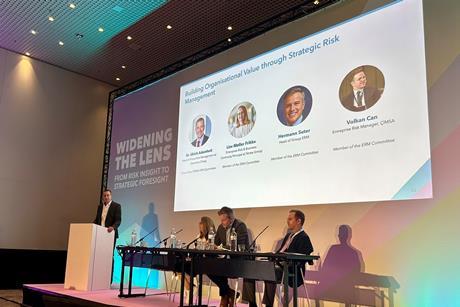
FERMA Forum 2026: Risk must be reframed as opportunity to get the ear of company boards
Growth and profit driven organisation chief executives struggle to comprehend dense, technical risk language, so risk professionals need to pivot communication styles to land their messaging

FERMA Forum 2026: Leveraging insurance data for risk foresight is a “real opportunity”
Insurers seek to better harness unique client dataset to inform risk foresight – especially as today’s interconnected risk landscape calls for a partnership approach, rather than just a risk transfer transaction

Regional spotlight: Philippine firms face an archipelago of economic, climate and cyber risks
Philippine corporate risk in 2026 is defined by clusters of economic, regulatory, climate and cyber threats that intersect. As shocks compound and oversight intensifies, risk management is shifting from compliance to a strategic system for resilience.

The interpreter: How Tyn Van Amelsfoort translates security data into board-ready decisions
The stakes are high as AtkinsRéalis’ Tyn Van Amelsfoort navigates global security in a world of escalating threats. Luckily, he is fluent in translating complex risk data into the decisionmakers’ language, ensuring strategies can meet every new crisis.

RiskWorld 2026: why faster risk data is becoming critical
ICEYE’s Stephen Lathrope reflects on his key takeaways from RISKWORLD 2026, where climate, cyber and geopolitical risks highlighted the need for faster, more reliable data to improve situational awareness, response and recovery.
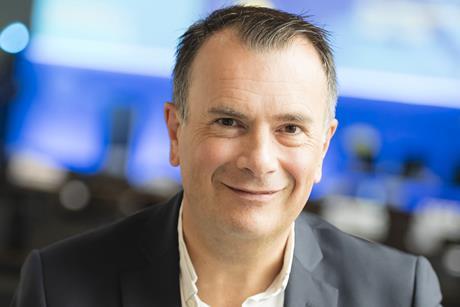
RISKWORLD 2026: FERMA president warns risk managers face a borderless threat landscape
Philippe Cotelle, president of FERMA, says RISKWORLD 2026 showed how cyber, AI, captives, geopolitics and climate resilience are reshaping the global risk agenda.


- Forgotten Password
- Contributors
- Feedback
- Media Pack
- © StrategicRISK 2026
Part of the Insurance and Risk group of
Newsquest Specialist Media
Newsquest Specialist Media



Published by Newsquest Media Group Limited,
registered in England & Wales with number 01676637
at The Echo Building, 18 Albert Road, Bournemouth,
England, BH1 1BZ - a USA Today company
registered in England & Wales with number 01676637
at The Echo Building, 18 Albert Road, Bournemouth,
England, BH1 1BZ - a USA Today company
Site powered by Webvision Cloud