




Drone threat raises risk for businesses using Russian airspace
Ukraine has called for civilian flights through Russian airspace to be prohibited as expanding drone operations cause growing disruption at Russian airports and increase the risks facing airlines and insurers.
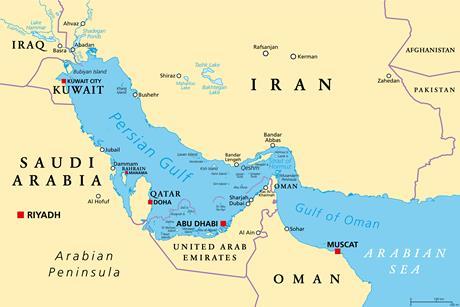
Strait of Hormuz disruption exposes risks far beyond oil
Renewed disruption in the Strait of Hormuz is showing how quickly a shipping crisis can spread through global energy, trade and food systems

Case study: How sanctions pressure exposed gaps in Citibank’s controls
A £4.7m fine against Citibank’s London branch exposes how sanctions controls came under strain as alert volumes surged following Russia’s invasion of Ukraine.

Kidnap and ransom: a risk manager’s guide to protecting people abroad
Kidnap threats are rising worldwide and the danger to business travellers and overseas employees is particularly acute. With incidents reported across at least a dozen high-risk countries, companies that fail to prepare are gambling with their most valuable asset: their people.
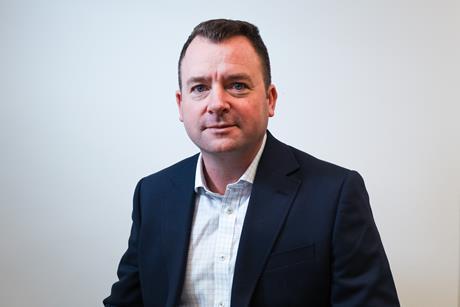
Duty of care under pressure as Middle East conflict spreads across the region
Rapidly shifting airspace restrictions, infrastructure disruption and threats to maritime trade are testing corporate travel policies and crisis planning. James Henderson, chief executive officer of Healix International, explains the key risks organisations must manage as the situation evolves.

How the Middle East conflict could reshape supply chains – and how risk management can help
As conflict in the Middle East puts renewed pressure on energy flows, freight costs and key trade routes, Sapna Amlani, supply chains industry practice lead at Moody’s, explains why companies need to understand chokepoints, rethink efficiency-led models and build more resilient supply chains.
SR:500 survey results: Risk managers push for earlier influence as threats accelerate
The SR:500 Emerging Risks survey reveals a landscape dominated by accelerating and interconnected threats. Against this backdrop, risk management must be embedded earlier in decision making to strengthen resilience.
Ordering the chaos: how to manage connected risks
Getting to grips with interconnectedness means identifying the intricate links between the threats we face, then mapping, understanding and preparing for them. Our webinar sought to untangle this complex issue. Sara Benwell reports back.

Asia: The ultimate resilience test
Asia has powered the global economy, yet disaster preparedness remains its greatest vulnerability. Resilience, not growth alone, will defi ne the future.

Facing into risk: Interconnected threats demand a smarter, faster response from risk managers
AXA XL is enabling businesses to tackle everything from natural disasters to cyber threats with smarter tools, clearer insights and joined-up strategies between risk managers and insurers.

Watch: Risk that pays - measuring the impact of better decisions
Four risk experts explore how organisations can quantify risk against business objectives, demonstrate the return on investment of risk management and use AI and modern GRC tools to support better strategic decisions, while retaining the human judgement needed to turn data into meaningful insight.
In partnership with 

Why risk managers are turning to parametrics to solve operational challenges
As nat cats grow more severe, insurance gaps are widening - but parametric solutions might hold the key to resilience, says Dianna Nelson, a senior structurer at Swiss Re Corporate Solutions


- Forgotten Password
- Contributors
- Feedback
- Media Pack
- © StrategicRISK 2026
Part of the Insurance and Risk group of
Newsquest Specialist Media
Newsquest Specialist Media



Published by Newsquest Media Group Limited,
registered in England & Wales with number 01676637
at The Echo Building, 18 Albert Road, Bournemouth,
England, BH1 1BZ - a USA Today company
registered in England & Wales with number 01676637
at The Echo Building, 18 Albert Road, Bournemouth,
England, BH1 1BZ - a USA Today company
Site powered by Webvision Cloud