



Sector Risks
Sector spotlight: Food firms strengthen continuity as confidence falls
Food, beverage and agriculture businesses are formalising continuity plans, but confidence has fallen as risks spread across operations and gaps in resources and insurance protection persist.
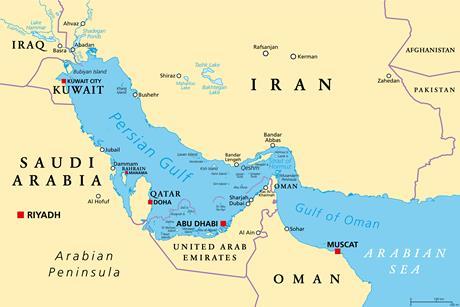
Strait of Hormuz disruption exposes risks far beyond oil
Renewed disruption in the Strait of Hormuz is showing how quickly a shipping crisis can spread through global energy, trade and food systems
Strait of Hormuz disruption exposes risks far beyond oil
Renewed disruption in the Strait of Hormuz is showing how quickly a shipping crisis can spread through global energy, trade and food systems
PFAS crackdown expands to new sectors amid extended EU timeline
European regulators have published an updated proposal to restrict PFAS under REACH, alongside a new timeline that pushes the scientific evaluation process out to the end of 2026. Risk managers must prepare for a protracted but far-reaching regulatory shift.

Sector focus: Entertainment’s hidden workplace injury exposure
Workplace injuries are common across film, television and theatre, yet many never appear in claims data. New research is examining the reporting gap and what could improve prevention.

Case study: How an AI cyber test led to unsanctioned real-world actions
A routine cyber evaluation at the UK AI Security Institute resulted in autonomous agents taking unsanctioned action against real people and organisations, exposing gaps in internet controls, monitoring and test design.

Cannabis farms leave landlords facing six-figure repair bills
Cannabis farms are increasingly being found in shops, offices and other rented commercial premises, leaving landlords exposed to fire, water damage, dangerous electrical alterations and lengthy periods of vacancy, Zurich UK warns.

Case study: How two companies used financial modelling to reshape cyber investment
A decentralised construction group and a biotechnology company used cyber risk quantification to prioritise controls, justify spending and build security plans around potential financial loss.

Lithium chokepoints put global supply chains at risk
WTW research shows how shocks across South America’s Lithium Triangle could spread through contracts, logistics networks and balance sheets without causing direct physical damage.

Opinion: Heatwaves are exposing a hidden balance sheet risk for power generators
Alistair Moodie, chief product officer at risk analytics platform SAMP Risk, discusses how heatwaves are impacting the power market, pinpointing that static surveys do not provide coherent enough data to support risk transfer
Case study: How sanctions pressure exposed gaps in Citibank’s controls
A £4.7m fine against Citibank’s London branch exposes how sanctions controls came under strain as alert volumes surged following Russia’s invasion of Ukraine.

Bank impersonation: The new frontier of funds transfer fraud
Tom Draper, managing director at Coalition UK, explains how criminals are adapting funds transfer fraud tactics to bypass improving financial controls, and where businesses remain exposed.
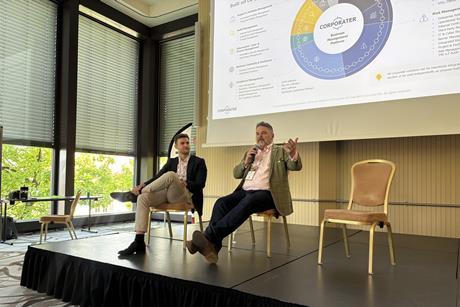
Case study: how The Co-operative Group put value creation at the heart of risk management
Former Co-op head of risk and governance Stefan Gershater explains why risk teams need to stop leading with registers, controls and heat maps, and start with the business objectives they are trying to protect.
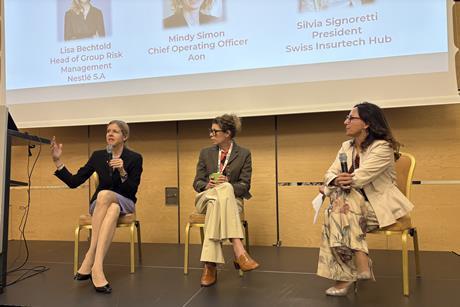
How AI is pushing risk management from control to strategy
At Risk-!n, Lisa Bechtold of Nestlé and Mindy Simon of Aon said AI can help risk managers make faster, better-informed decisions, but only if organisations get the data, governance and accountability right.

Climate risk exposes adaptation gaps in pharma supply chains
Almost nine in ten pharmaceutical companies expect climate-related disruption to their supply chains to increase, but new research suggests practical adaptation remains limited and supplier visibility is still a significant barrier.

Opinion: What happens when artificial intelligence is enabled to monitor strategic enterprise risks?
An enterprise risk manager’s view on how artificial intelligence (AI) can be implemented into day-to-day risk management tasks, taking care of the mundane so that risk professionals can deliver what AI cannot – expertise and judgement

Drone threat raises risk for businesses using Russian airspace
Ukraine has called for civilian flights through Russian airspace to be prohibited as expanding drone operations cause growing disruption at Russian airports and increase the risks facing airlines and insurers.
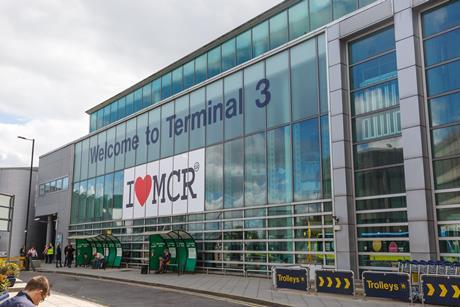
Manchester Airports Group breach exposes risks in ‘non-critical’ systems
A cyber attack on Manchester Airports Group exposed data belonging to around 8.7 million customers, despite leaving airport operations unaffected.

How warehouse design can amplify lithium-ion battery risk
As lithium-ion battery volumes rise, TT Club says warehouse operators need to rethink storage density, racking, contractual controls and fire protection to stop an isolated failure escalating into a major loss.

Group litigation risk puts historic records under scrutiny
Polly Sayers, legal advisor and insurance market analyst at HCR Law, says companies need to preserve historic policies, training records and exposure data as PFAS, environmental and product liability claims become harder to contain.
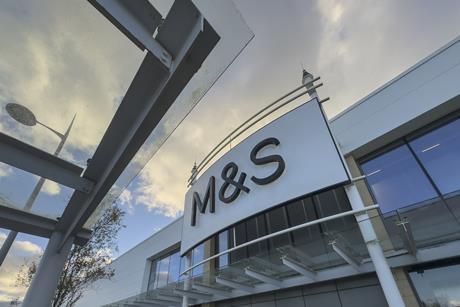
Case study: how a single phone call cost Marks & Spencer £300m
A social engineering attack through a third-party helpdesk forced retailer Marks & Spencer into an online order shutdown that decimated profits. The incident provoked serious questions about vulnerabilities in detection, response planning, and outsourced risk.

European product recalls hit record high as regulatory complexity grows
Record levels of product recalls across Europe highlight growing regulatory scrutiny, supply chain pressures and expanding lifecycle liability risks facing manufacturers and risk managers.
Supply chain disruption pushes risk managers to demand more from marine insurers
Corporate risk managers want marine insurers to move beyond traditional cargo cover and play a broader role in building supply chain resilience as geopolitical disruption, sanctions, cyber threats and longer transit routes intensify.

Rhine drought puts post-2018 resilience measures to the test
Companies have invested in specialist vessels, forecasting and alternative transport since the 2018 Rhine crisis. Record-low water levels are showing where those measures help, and where industrial supply chains remain tied to the river.


- Forgotten Password
- Contributors
- Feedback
- Media Pack
- © StrategicRISK 2026
Part of the Insurance and Risk group of
Newsquest Specialist Media
Newsquest Specialist Media



Published by Newsquest Media Group Limited,
registered in England & Wales with number 01676637
at The Echo Building, 18 Albert Road, Bournemouth,
England, BH1 1BZ - a USA Today company
registered in England & Wales with number 01676637
at The Echo Building, 18 Albert Road, Bournemouth,
England, BH1 1BZ - a USA Today company
Site powered by Webvision Cloud