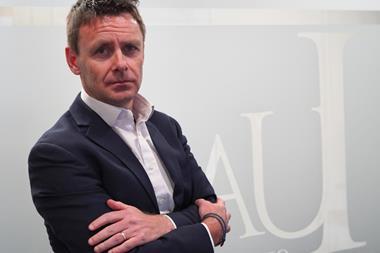



Offering speed, flexibility and a way to close protection gaps, parametric insurance is gaining ground as a valuable complement to traditional cover, says Steve Harry, managing director of parametric solutions UK at Marsh Risk Analytics.

Although the property insurance market may be softening, appetite for parametric cover remains strong. These solutions are being used not only for catastrophe risks, but also to address challenges that traditional insurance cannot easily resolve – particularly in volatile and complex risk environments.
“The market may be flattening in property, but not necessarily for core catastrophe risks that parametric can address,” says Steve Harry. “Even where we do, we think the strategic reasons for using a parametric still remain – such as the breadth of cover, the fast payments and the simplicity of the structures.”

Firms are increasingly using parametric structures to extend protection into previously uncovered areas.
“With parametric, you can fill in gaps in coverage that you don’t currently have,” Harry explains. “Two big areas are general climate risk – non-catastrophe climate risk – and what we would bracket together as non-damage business interruption, revenue and profit protection.”
Innovation from both sides of the market
According to Harry, parametrics are advancing thanks to momentum from both supply and demand. On the supply side, MGAs, fintechs and reinsurers are fuelling innovation, offering a broader range of options and more tailored solutions for risk managers.
“We see a pipeline of interesting solutions opening up. There is just a lot of goodwill and availability of capital now for organisations to access, to discuss and structure solutions, to get actual risk transfer. Part of our job is to make sure that our clients are aware of those.”
At the same time, risk managers are increasingly open to alternative structures and becoming more proactive and confident in their risk financing strategies.
“We continue to see an increase in the wish to be innovative… and an increase in the ability of insurance buyers to talk about capital and how to deploy various forms of risk financing.”
From concept to contract
The success of a parametric policy depends not only on the trigger selected, but also on how the structure is designed. Harry warns that price alone should never drive decision-making.
“Sometimes a structure looks cheap because it’s never going to pay… Make sure the structure aligns with your motive for buying this policy,” he says.
That alignment depends heavily on data – especially historical loss data. Risk managers and insurance buyers should examine internal data closely and share it with their brokers to build a parametric solution that genuinely meets their needs.
“They’re not a replacement for traditional insurance – they have a value all of their own.”
“More and more people are now aware of parametrics,” says Harry. “They’re getting comfortable with the trigger mechanisms. It may take one or two renewal cycles to get it circulated internally and for everybody to be more comfortable with them.”
Finally, internal alignment is just as important as technical design. Parametric policies often look very different to stakeholders used to conventional indemnity insurance.
“Has the person that writes the premium cheque been involved?” Harry asks. “Have you discussed this with the finance team, or whoever’s buying it, to help them better understand the product?”
Harry concludes that parametric solutions are best viewed as a strategic supplement to conventional insurance.
“We talk about parametrics as an additional tool in your risk financing armoury. They’re not a replacement for traditional insurance – they have a value all of their own.”