



Asia Pacific
-
 Webinars
From silos to strategy: how boards are rethinking risk
Webinar: With boards more engaged, our next mission is clear: offer a wide-angle lens on how risks interact, and why risk management and opportunity can co-exist. Our panellists share candid insights on how to turn silos into the strategies a board wants to see.
-
 Features
Breaking point: why ageing infrastructure is becoming a critical risk for developed economies
Ageing infrastructure in developed economies is the silent, but spreading, decay all around us, threatening lives, businesses and economies. We must act before, not after, catastrophe hits.
-
 Analysis
Embed geopolitics into strategy as tariff era reshaping global trade, Willis warns
Political risk report from WTW says US tariff deals are redrawing alignments and creating a new risk environment for internationally exposed companies
-
 Analysis
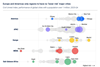
Civil unrest risks set to intensify in 2026: what businesses need to know
New analysis points to rising protest size, more frequent disruption and growing damage to commercial property, with Europe and the US emerging at the highest risk of becoming SRCC flashpoints
-
 Case Studies
Case study: How a risk control failure triggered a $3m loss in just six weeks
A routine cash-handling function turned into a multimillion-dollar loss when a misconfigured ATM enabled six weeks of fraudulent withdrawals. The case exposes deeper weaknesses in governance, data flows and assurance that allowed the incident to escalate unchecked.
-
 Analysis
Secondary perils: Why businesses must strengthen resilience as severe weather intensifies
Rising losses from floods, hail, wildfires and other under-recognised hazards show that secondary perils are no longer secondary. New data highlights the scale of the threat – and why risk managers need a more systematic, site-specific approach to resilience.
-
 Features
Sector spotlight: why universities must rethink risk in an era of disruption
Once defined by tradition, universities are now facing degrees of change that are forcing a fundamental rethink of how they fund themselves, how they manage student interests and their approaches to handling evolving technological threats.
-
 Analysis
Elemental exposures: what changing natural hazards mean for global risk leaders
New analysis from Hiscox highlights the shifting pressures behind global natural hazard exposure and what they mean for corporate resilience.
-
 Case Studies
Shaken, not stalled: How TSMC protected operations during Taiwan’s strongest quake in 25 years
In the face of record-breaking tremors last year, Taiwanese contract chipmaker TSMC held its ground. By safeguarding operations and reassuring global clients, this was a master class in resilience born out of preparedness.
-
 Analysis
APAC’s risk landscape is shifting fast: why resilience is now a strategic differentiator
Asia Pacific’s high-growth markets are facing rising geopolitical tensions, climate impacts, supply chain disruption and escalating cyber threats. Aon’s 2025 Global Risk Management Survey shows that organisations across the region are already feeling the strain, and many are rethinking resilience as a driver of competitive advantage.
-
 Analysis
PARIMA Singapore 2025 highlights AI, climate pressure and geopolitical uncertainty
Sessions across the conference examined how Asian organisations are adapting their risk strategies, from AI governance and parametric innovation to climate-driven disruption and new geopolitical realities.
-
 Features
The uninsurables: how climate change is redrawing the global insurance map
Intense climate volatility combined with risk-based pricing is pushing traditional insurers to retreat from entire regions across the globe. With no safety net, businesses and communities are left to confront the rising cost – and painful consequences – of uninsurable risk.
-
 Analysis
Soft market, shifting ground: why mining risk managers must hold their nerve
Mining insurers are cutting rates and expanding capacity, creating tactical opportunities for buyers. Yet WTW’s latest analysis points to tightening scrutiny on tailings, seismicity, flooding and project approvals. The right move in a soft cycle is not to ease off, but to turn cheaper premium into stronger resilience.
-
 Case Studies
Case study: How Ayala Corporation embedded sustainability into enterprise risk management
Ayala Corporation’s Victoria Tan talks us through how the business has been embedding sustainability into risk management since 2017 – going from awareness and governance to climate modelling and data-driven decision-making.
-
 Editor's Letter
SR Q3 2025: This is what it sounds like
In a world shaken by extremism, inequality and climate crisis, it’s easy to feel powerless. Yet risk managers can drive real change. We shine a light on those of us who are pushing boundaries, working tirelessly to reshape governance and proving business can be a force for good.
-
 Expert Views
Asia: The ultimate resilience test
Asia has powered the global economy, yet disaster preparedness remains its greatest vulnerability. Resilience, not growth alone, will defi ne the future.
-
 Opinion
Opinion: The guy who created risk management says we messed up
Alex Sidorenko, chief risk officer and founder of RISK-ACADEMY highlights Grant Purdy’s warning that risk management has strayed from its purpose, becoming compliance theatre instead of genuine decision support.
-
 Analysis
New IUMI paper highlights fire risks and safety gaps in EV shipping
The International Union of Marine Insurance (IUMI) has updated its guidance on the carriage of electric vehicles at sea, adding new evidence on gas hazards, peak heat, ship design constraints and the limits of current firefighting systems. The paper explains where risks are evolving and how operators and insurers should ...
-
 Analysis
Steel-zero: new research shows why risk managers must prepare for policy-driven change
A major new study warns that carbon pricing alone will not deliver the transition to clean steel, with big implications for businesses reliant on the metal.
-
 Analysis
Spotlight on: the growing reputational risks threatening charities and NGOs
Charities and NGOs are losing ground on reputational resilience, WTW warns, leaving them exposed to fast-moving risks that could damage trust, funding and their mission.




