


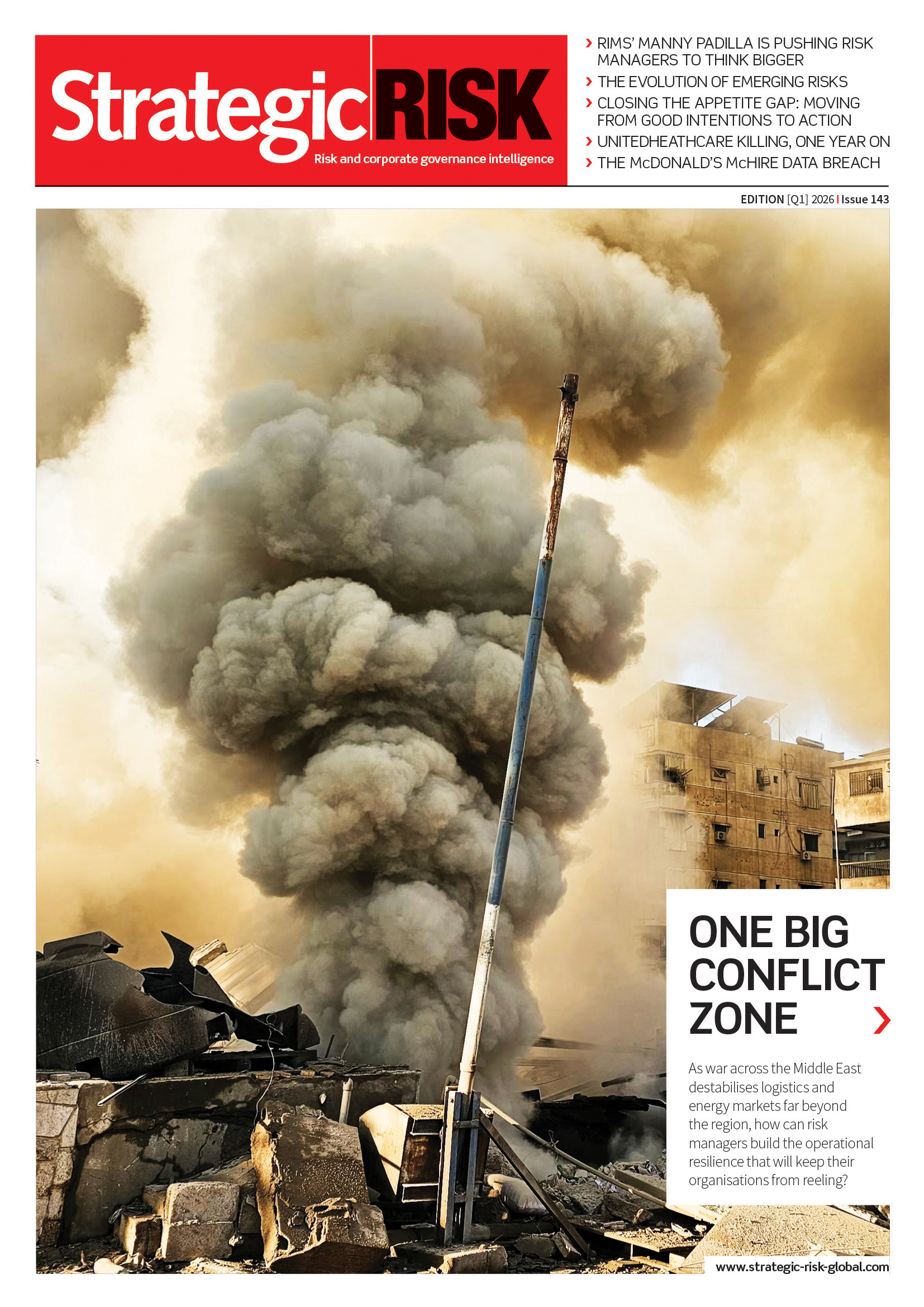
Editor's letter

SR Q1 2026: It’s now or never
The world is battling yet another phase of crisis and many businesses are learning harsh lessons about their resilience. It would be easy to say we told you so. Instead, it’s the time for risk managers to start selling themselves as the leaders to see us through this.
Cover story
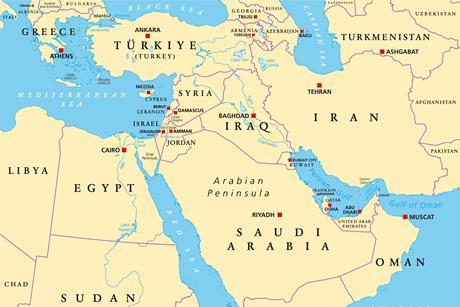
From missiles to markets: how the Middle East crisis is reshaping corporate risk – and what businesses should do next
From travel disruption to energy shocks, the escalating crisis is creating new operational risks for organisations worldwide. Experts share the warning signs risk teams should monitor and the actions companies can take to protect staff, supply chains and business continuity.
Special Report
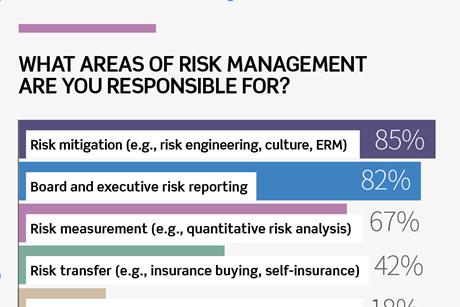
SR:500 survey results: Risk managers push for earlier influence as threats accelerate
The SR:500 Emerging Risks survey reveals a landscape dominated by accelerating and interconnected threats. Against this backdrop, risk management must be embedded earlier in decision making to strengthen resilience.
Analysis

When disruption becomes ordinary: the global supply chain story of 2025
From geopolitics and cyber to climate and tariffs, 2025 proved that supply chain disruption is no longer episodic. It is embedded. Fresh research highlights the scale of losses and the resilience gap risk managers must now close.
Opinion

If ERM doesn’t change decisions, what is it for?
Heat maps are updated. Reports are delivered. But are decisions any better? Stefan Hunziker, professor of risk management at Lucerne School of Business, says ERM proves its value only when it alters the choices organisations make.
Profile

The strategist: How RIMS’ Manny Padilla is pushing risk managers to think bigger
RIMS president Manny Padilla has a simple message for the profession: stop underselling yourselves. Being a jack of all trades is something to be proud of, as translators, connectors and complexity cutters, risk managers must claim a more strategic position.
Case study
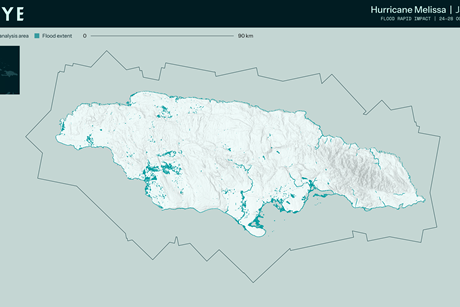
Case study: How radar satellite data transformed crisis response after Hurricane Melissa
When Hurricane Melissa struck Jamaica as a Category 5 storm, satellite-based synthetic aperture radar provided near real-time, countrywide damage intelligence through cloud cover, enabling government and humanitarian teams to prioritise resources, accelerate decision-making and reach the hardest-hit communities faster.
Features

Emerging risks are not emerging, they are converging
In this latest StrategicRISK SR:500 roundtable, senior risk leaders explored a question that is becoming increasingly urgent: what does “emerging risk” actually mean in a world where volatility feels constant and systemic?